Environmental requirements on construction and mining work in Botswana are clear enough. What catches contractors out is treating them as a reporting exercise rather than a set of site practices that have to be resourced.
Know what your approval actually commits you to
An environmental management plan carries specific obligations: where material may be stockpiled, how topsoil is handled, what happens to waste and hydrocarbons, which areas stay untouched. These are programme items with cost and time attached, and they belong in the schedule alongside the works.
Topsoil is an asset
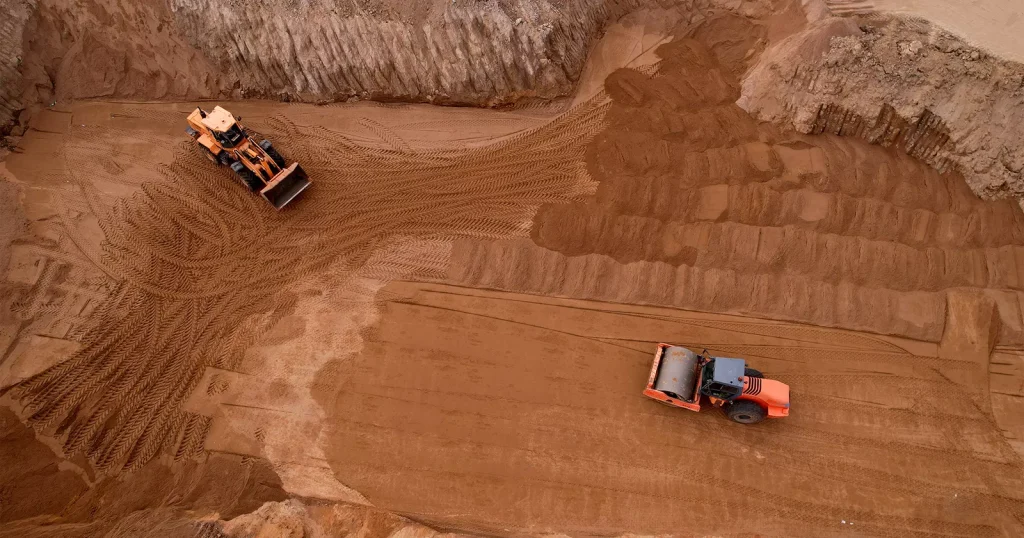
Stripping topsoil and stockpiling it separately costs one machine movement. Losing it into the fill costs you the rehabilitation at the end, when nothing will grow on what is left. The same applies to protecting vegetation outside the working footprint.
Waste, fuel and spills
Bunded fuel storage, sealed waste skips, a spill kit that is actually on site and a simple record of what left the site covers most of what an inspection looks for. None of it is expensive. All of it is difficult to produce after the fact.
Rehabilitation from day one
Reshaping, ripping compacted ground and re-spreading topsoil are far easier while plant is still mobilised. Closing out a programme is where compliance is judged, and the sites that close out cleanly are the ones that planned for it during construction.
Our environmental services sit alongside our civil and earthworks scope, so compliance is handled by the same team doing the work. Get in touch.